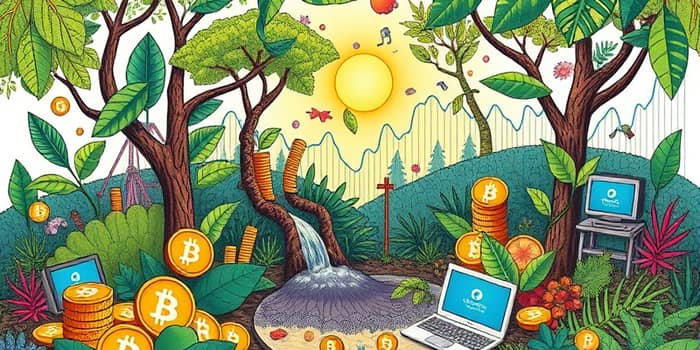
Every decision we make about spending, saving, or investing sends ripples across our entire financial network. In many ways, our personal finances resemble a thriving ecosystem where institutions, technologies, markets, regulations, and individual habits coalesce. When each element functions harmoniously, resources flow smoothly, goals become attainable, and shocks—like emergencies or economic downturns—are easier to withstand. By understanding and nurturing this system we ensure long-term stability and growth.
In ecology, a forest or coral reef depends on a complex web of life forms, nutrients, and environmental factors. In a financial context, the ecosystem comprises banks, fintechs, advisors, laws, personal habits, and more. This interconnected network of institutions and behaviors shapes our ability to accumulate wealth, manage liabilities, and plan ahead. Recognizing this interdependence helps us prioritize actions, strengthen weak links, and adapt when circumstances shift.
At its core, a money ecosystem includes foundational factors like income, education, and social influences. Overlay that with tools such as budgeting software, digital wallets, and investment platforms, and you have a dynamic environment that can either support or undermine our goals. Health in this context means diversity, balance, and resilience — qualities that require both knowledge and intentional effort.
Before improving any system, we must first map its terrain. Your personal financial landscape is unique, shaped by upbringing, cultural attitudes, and the technologies you adopt. By taking stock of each component, you gain clarity about strengths and vulnerabilities.
Creating a simple diagram or checklist helps visualize where you stand. This exercise not only reveals gaps—like dependence on high-interest credit—but also highlights underutilized resources that could boost resilience.
Today’s financial ecosystem is undergoing rapid transformation. Fintech innovations, from robo-advisors to mobile wallets, promise efficiency but carry cybersecurity risks and learning curves. At the same time, evolving regulations ensure consumer rights yet introduce complexity that can overwhelm those without guidance.
Economic volatility, rising inflation, and changing job markets add further strain. According to recent data, nearly 70% of Americans have less than $1,000 in emergency savings, and 60% carry credit card debt. Yet, these challenges also create opportunities to innovate, collaborate, and strengthen community networks that promote digital inclusion and financial literacy.
Regular health checks keep an ecosystem robust. Key metrics include emergency savings, debt-to-income ratios, and investment diversification. Simple self-assessments can reveal whether you’re on track or need course correction. Knowing your numbers empowers you to make informed adjustments.
Use a checklist or an app to track progress. For instance, aim to increase emergency savings by 10% each quarter or reduce high-interest debt until it’s less than 20% of income. Consistent monitoring transforms vague goals into actionable steps and strengthens long-term resilience.
Resilience emerges from deliberate cultivation—much like nurturing a garden. Start by drafting a written financial plan that outlines short-term budgets and long-term investment goals. Break these targets into manageable milestones and schedule periodic reviews to celebrate progress and adjust tactics.
Building social capital is equally important. Form accountability groups, enroll in financial education courses, or leverage employer programs to access low-cost resources. A supportive network not only shares knowledge but also fosters lifelong learning and adaptability.
The next frontier of a healthy money ecosystem focuses on inclusivity and technological advancement. Closing access gaps among youth, minorities, and the underbanked fuels collective prosperity. Governments, educators, and fintech companies must collaborate to create intuitive tools and targeted programs.
This inclusive approach ensures that innovation uplifts everyone, paving the way for a more equitable and resilient financial environment.
Cultivating a healthy money ecosystem is an ongoing journey, not a one-time event. By mapping your landscape, monitoring vital signs, and implementing targeted strategies, you build the resilience needed to face life’s uncertainties. Remember, small, consistent actions often yield the greatest long-term results.
Take a simple first step today: draft your financial plan, set aside an emergency fund, or join a workshop. Each decision strengthens your ecosystem, unlocking opportunities for growth and security. Embrace this mindset, and your money ecosystem will flourish for years to come.
References